


Healing Mind, Body, and Spirit: How Telehealth Platforms Support Holistic Wellness
In an increasingly fast-paced world, maintaining a balance between physical health, mental clarity, and spiritual peace can feel like an uphill battle. For decades, seeking medical care meant traveling to clinics, waiting in crowded rooms, and navigating complex systems. However, the rapid evolution of technology has ushered in a new era of healthcare accessibility. Today, telehealth platforms are not just transforming clinical medicine; they are reshaping how we approach holistic wellness, bridging the gap between physical treatment and spiritual care.
For faith communities like the Liberal Catholic Church International (LCCI), wellness has always been understood as a trinity of mind, body, and spirit. As we embrace modern advancements, understanding how digital health tools complement spiritual and emotional healing becomes essential for nurturing a healthy, connected congregation.

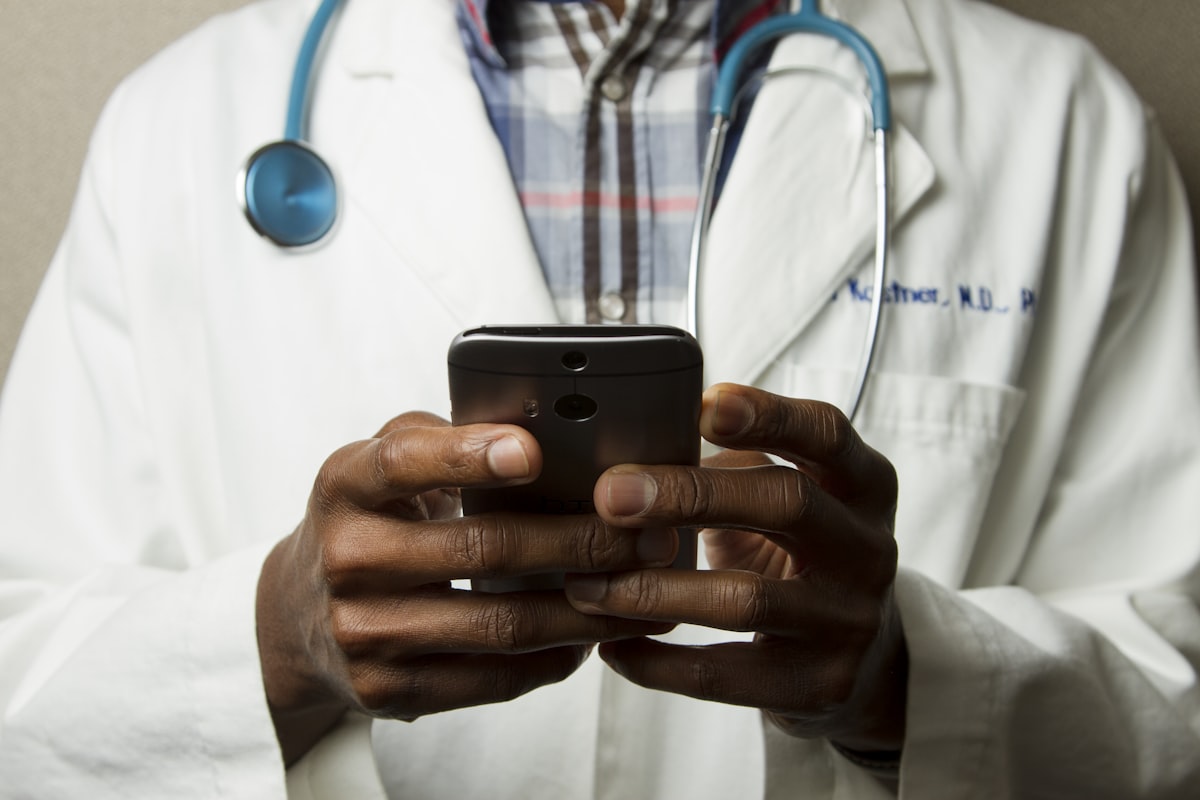
The Evolution of Modern Care: What Are Telehealth Platforms?
Telehealth platforms refer to digital technologies and communication networks that allow patients to access health care services remotely. This includes video consultations, secure messaging, remote patient monitoring, and digital health education. Whether you are managing a chronic illness, seeking therapy, or looking for nutritional guidance, these platforms bring licensed professionals directly to your screen.
According to the Mayo Clinic's guide to telehealth benefits, these technologies improve care coordination, make services more accessible to people with mobility issues or geographic limitations, and allow for more consistent monitoring of overall well-being.
The Sacred Connection: Why Holistic Health Needs Digital Innovation
At LCCI, we recognize that the physical body is the temple of the divine spirit. When the body suffers, our spiritual practice can be disrupted; conversely, emotional and spiritual distress often manifests as physical illness. True healing requires addressing all aspects of the human experience.
Telehealth platforms facilitate this integrated approach in several key ways:
- Reduced Stress and Anxiety: The logistical stress of attending doctor appointments—such as traffic, parking, and long waiting times—can exacerbate physical symptoms. Virtual visits allow patients to receive care in the comfort and peace of their own homes.
- Accessible Mental Health Support: Emotional resilience is crucial for spiritual growth. Online therapy and counseling platforms make it easier than ever to speak with a professional about grief, anxiety, or life transitions without the stigma or hassle of traditional visits.
- Consistent Spiritual and Pastoral Outreach: Just as medical professionals utilize digital tools, the church leverages virtual platforms to offer spiritual direction, prayer circles, and pastoral counseling to those who are homebound, hospitalized, or living far from a local parish.
Global Recognition of Digital Health
The shift toward virtual care is not a temporary trend. Global health leaders actively advocate for the integration of technology in everyday wellness. The World Health Organization's insights on digital health emphasize that digital interventions are critical tools for accelerating global health equity, ensuring that even isolated populations can receive quality, compassionate care.


How Faith Communities Can Leverage Virtual Wellness Tools
Embracing modern wellness tools does not mean losing the personal, communal touch that defines our faith. Instead, it expands our capacity to love and serve one another. Here are practical ways we can integrate telehealth and digital wellness into our lives:
1. Combining Medical Advice with Spiritual Direction
When dealing with a health challenge, use telehealth to consult with your physician regularly, while simultaneously scheduling virtual pastoral visits with your LCCI clergy. Treating physical symptoms through medical science while feeding your soul through prayer and sacramental grace creates a powerful ecosystem for recovery.
2. Utilizing Mindfulness and Meditation Apps
Many telehealth networks now offer integrated apps for mindfulness, guided meditation, and sleep hygiene. These tools align beautifully with the contemplative practices of Christian mysticism, helping to quiet the mind so we can better hear the voice of the Divine within.
3. Supporting Vulnerable Community Members
If you have elderly, disabled, or isolated family members or fellow parishioners, help them set up their digital health accounts. Teaching someone how to navigate a virtual doctor visit or connect to a livestreamed church service is a profound act of modern charity.
Conclusion: Moving Forward in Hope and Healing
As we navigate the complexities of the 21st century, we are blessed with tools that our ancestors could only dream of. Telehealth platforms represent a compassionate application of human ingenuity, bringing healing closer to home. By pairing these clinical advancements with the enduring spiritual support of the Liberal Catholic Church International, we can walk a path of true, holistic wellness—honoring the body, comforting the mind, and elevating the spirit.
Frequently Asked Questions (FAQ)
What types of services are available on telehealth platforms?
Telehealth platforms offer a wide range of services, including primary care consultations, mental health counseling, dermatology assessments, prescription renewals, nutrition advice, and chronic disease management. Many platforms also offer 24/7 access to urgent care doctors for non-emergency issues.
Is virtual healthcare as effective as in-person visits?
For many common health issues, consultations, mental health therapy, and follow-up care, telehealth has been proven to be just as effective as in-person visits. However, physical emergencies, diagnostic tests (like X-rays), and detailed physical exams still require visiting a clinic in person.
How does the Liberal Catholic Church International view scientific and medical advancements?
The LCCI encourages the search for truth through both science and spiritual inquiry. We view medical advancements, including digital health tools, as gifts of human intelligence that should be used alongside spiritual practice, sacramental grace, and prayer to promote total human well-being.
Are telehealth platforms secure and private?
Yes. Legitimate telehealth platforms use encrypted communication channels and comply with strict healthcare privacy regulations, such as HIPAA in the United States, to ensure that your medical history, personal details, and video consultations remain completely confidential.
More: